
 347-331-7600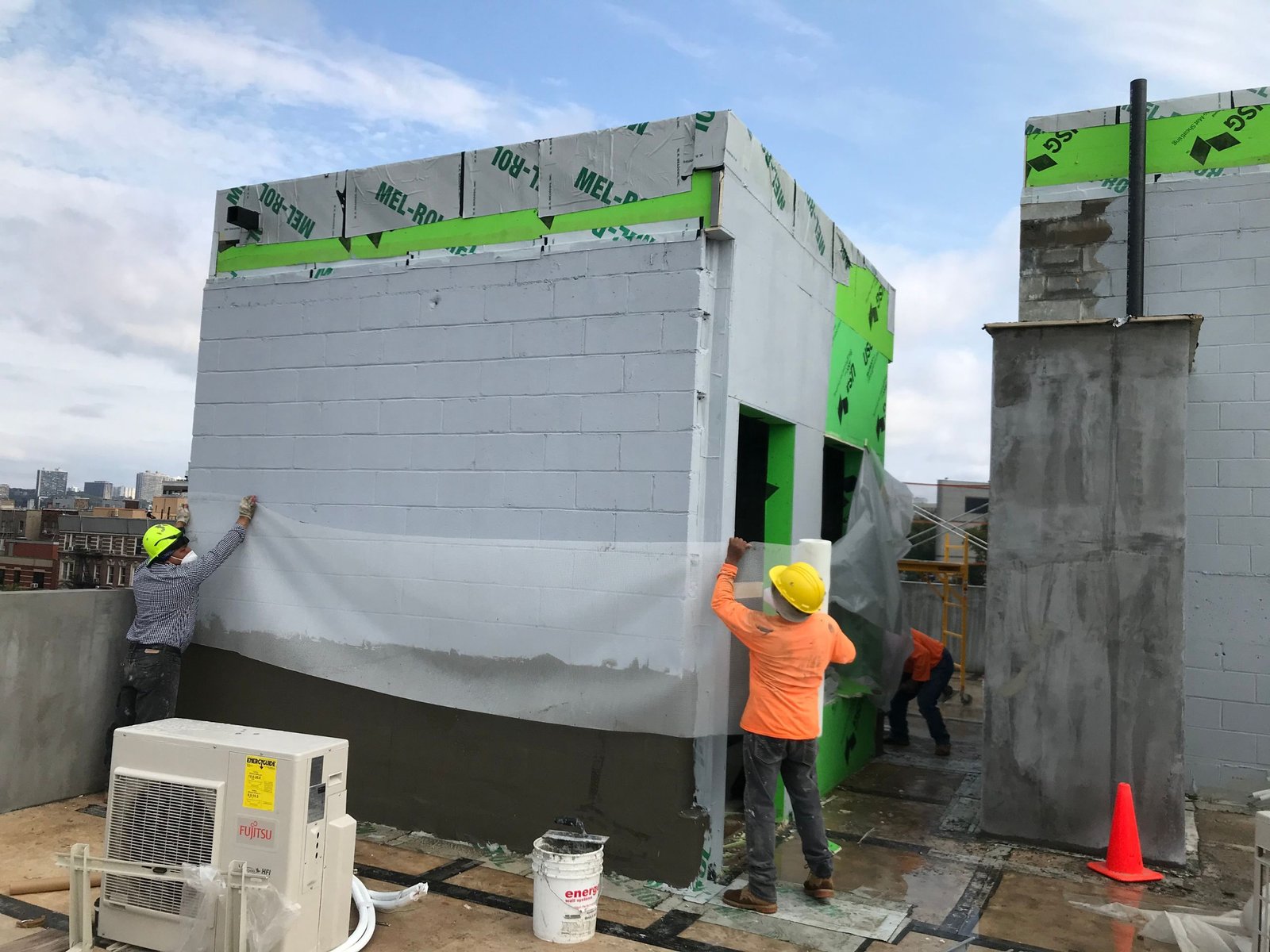
 Water damage is one of the biggest threats to stucco exteriors, especially in a city like New York, where buildings face heavy rainfall, snow freezing temperatures, humidity and aging infrastructure. While stucco is known for its durability and attractive look, even a small amount of trapped moisture can turn into serious structural problems if it is left untreated. Getting help from a stucco repair contractor NYC homeowners trust is often the most effective way to find hidden moisture problems before they turn into expensive repairs.
Whether you own a brownstone in Brooklyn, a townhouse in Queens, or a commercial property in Manhattan, understanding how water affects stucco can protect your budget and save thousands of dollars later. This guide breaks down how water damages stucco walls, which warning signs to watch for, the Most Common Stucco Repair Problems, and when you should call Emergency Stucco Repair Services in NYC to protect your investment.
Why Stucco Walls Are Vulnerable to Water Damage
Stucco is a cement-based exterior finish, made from cement, sand, lime and water. It brings solid durability, good weather resistance and a nice curb appeal when it is put in correctly.
That said, stucco isn’t totally waterproof. It is meant to push back most moisture while still letting water vapor escape. The trouble starts when water finds a route behind the stucco through cracks, damaged flashing, worn out sealants, or just a poor install.
After moisture gets stuck behind the surface, it can stay there for months with no obvious signs. During that time, this concealed dampness can weaken both the stucco itself, and the framing or other supporting parts underneath.
How Water Gets Behind Stucco Walls
A handful of conditions that are common across NYC make water intrusion more likely, in a very real way.
Cracked stucco surface
Hairline cracks might look harmless, but they can let rainwater slip in deep within the wall system. In winter the water freezes, expands, and then the cracks keep getting wider each season.
Damaged flashing around windows and doors
If flashing is improperly installed, or just getting old, rainwater can work its way in near windows, doors, balconies, and where the roof meets the wall.
These spots are also where many hidden waters damage issues show up during stucco inspections, especially after heavy storms.
Poor drainage
Bad grading, clogged gutters, downspouts that overflow, and water pooling near the foundation all raise moisture exposure. When the exterior gets soaked repeatedly, the water eventually makes its way through the stucco system.
Failed sealants
Caulking at windows, expansion joints, vents, and utility openings tends to weaken naturally with time. Once those sealants crack or shrink, water can enter behind the stucco finish much easier than most people expect.
Improper stucco Installation
One of the main causes of early failure is wrong installation, it really matters. A lot of the time the problem is not the material but how it was applied.
Common installation slip ups include
- Missing weather resistant barriers
- Poor lath fit, or lath that was not laid in the right way
- Incorrect stucco thickness
- Improper curing, left too fast or handled unevenly
- Missing control joints
- Inadequate drainage systems, water has nowhere good to go
These kinds of issues frequently end up needing substantial fixes by seasoned professionals.
Why Water Damage Is More Serious in NYC
New York City’s climate somehow ends up being ideal for moisture related decay, with dampness just hanging around. The weather does a lot of little things at once, and the stucco really feels it.
A few environmental pressures keep speeding up stucco damage, like, especially when it happens over and over:
- Heavy seasonal rain
- Snow buildup
- Ice forming on surfaces
- Freeze, thaw going back and forth
- Persistent high humidity
- Wind pushed rain hitting the facade
- Older building construction styles
- Dense city surroundings
From Manhattan to Brooklyn, also Queens, the Bronx, and Staten Island, most structures face repeated wet and drying cycles, which then press continuous strain onto the outer walls.
If you skip routine upkeep, small defects can quickly turn into costly structural trouble, and that usually escalates faster than people expect.
Most Common Stucco Repair Problems
Water getting in can lead to a bunch of different stucco problems. When property owners understand what is happening early, they can address it sooner, before the repairs turn into a full-scale reconstruction.
1. Cracking
Cracks are usually the earliest, and also the most frequent sign of stucco failing.
You might see
- hairline cracks
- vertical cracks
- horizontal cracks
- stair step cracks
- settlement cracks
Even when the cracks seem minor, they may look only decorative, yet they often signal a deeper moisture movement issue.
2. Bulging, or Stucco That Feels Loose
When parts of stucco start to separate from the wall surface, moisture has probably weakened the bond between the finish layer and the underlying substrate.
If it keeps going, loose stucco can eventually detach, and that can create real risks for people walking by, and also for occupants inside.
3. Efflorescence
A white powdery film on the stucco is a strong clue that moisture is traveling through the assembly.
Once the water evaporates, mineral salts remain behind as a visible residue, which is why you get that powdery look.
Even though efflorescence isn’t dangerous by itself, it can be a bit of a tell that moisture is still coming in, kind of ongoing.
4. Staining and discoloration
When dark markings show up, they often mean water is getting trapped somewhere.
Typical culprits include:
- Water leaks
- Rusted metal parts
- Mold development
- Algae
- Mildew
These signs really should not be left alone.
5. Mold and mildew growth
Persistent dampness sets up good conditions for mold.
Mold that stays hidden behind stucco walls may influence:
- The indoor air quality
- Structural wood framing
- Insulation
- Drywall
- Health of the occupants
In many cases, moisture testing performed by a professional is recommended.
6. Soft or crumbling stucco
When stucco starts losing its strength, the outer layer can turn chalky, feel brittle, or even flake and crumble when you touch it.
This often points to prolonged water saturation.
7. Rotting wood sheathing
One of the most expensive outcomes of hidden moisture is wood rot, which just creeps in while you’re not looking. When water finds its way into plywood or the framing members, the structure starts to degrade in a way that can be hard to see. And then, later on, only when major repairs are already needed, it shows up clearly.
8. Rusted Metal Lath
Traditional stucco normally leans on galvanized metal lath for reinforcement. But continuous dampness exposure brings corrosion, which weakens overall strength and ends up with cracking, plus delamination too.
Warning Signs Your Stucco Has Water Damage
Spotting issues early can dramatically cut the repair costs, its like catching it before it spreads too far.
Keep an eye out for these warning signs, because they can quietly escalate:
- Cracks that keep growing over time
- Paint that starts to bubble
- Exterior walls that feel soft
- Finishes that peel away
- White mineral deposits showing up
- Water stains appearing
- Mold beginning to grow
- Dampness inside the wall areas
- Musty odors hanging around
- Loose stucco sections, lifting or separating
- Corners that crumble a little
- Surfaces that sag
If several of these symptoms show up at the same time, schedule a professional inspection immediately.
How Professionals Diagnose Hidden Moisture Problems
Seasoned contractors do a few different things to track down sneaky water intrusion before any repairs start, not to mention, they try to catch it early.
Inspection tactics can include:
- Visual exterior looks over
- Moisture meter checks
- Infrared thermal imaging scans
- Probe testing
- Flashing inspection
- Roof drainage evaluation
- Window seal assessment
- Expansion joint inspection
With the right diagnosis, you avoid doing unnecessary repairs, while also pinpointing the actual moisture source, so it’s not just guesswork.
Emergency Stucco Repair Services in NYC
Some stucco problems need immediate attention, otherwise you can end up with structural damage and safety risks. Honestly, it’s not always obvious at first, but it can become a quiet issue fast.
If you notice anything like these, you should contact emergency stucco repair services in NYC as soon as possible:
- Large areas of loose stucco
- Water entering interior walls
- Bulging exterior surfaces
- Falling stucco pieces
- Severe storm damage
- Large structural cracks
- Active water leaks
- Exposed framing
Emergency contractors usually secure damaged zones, halt water intrusion, and handle temporary stabilization before the permanent fixes start. The quicker response, less money later, and less far deterioration in the meantime.
How Water Damage Can Affect Your Entire Home
A lot of homeowners think stucco damage is just surface level stuff, nothing major.
But in reality, water getting behind it can nudge almost every part of the building.
What can happen next, includes things like
- structural lumber deterioration
- foundation dampness problems
- interior drywall weakness
- mold contamination
- electrical danger
- insulation underperformance
- higher energy bills
- pest activity infestations
- reduced property value
- costly rebuild efforts
Getting ahead of it sooner helps protect both your investment and your family’s safety.
Preventing Water Damage to Stucco Walls
Doing routine upkeep is the most cost-effective way to help a stucco exterior last longer, and you will notice the difference faster than expected. Property owners should do a few simple, ongoing tasks, not just wait until things look rough.
want to:
- Inspect stucco every year
- Seal small cracks, quickly
- Clean gutters regularly
- Repair any compromised flashing
- Replace caulk that has begun to fail
- Keep drainage flowing the right way
- Trim overgrown plants away from the walls
- Pressure wash carefully
- Book professional inspections after major storms
Preventive maintenance costs far less than replacing broad, damaged portions of stucco.
Why Hiring a Professional Stucco Repair Contractor Matters?
While small cosmetic cracks might look like DIY little tasks, the hidden water damage is the part that needs specialized knowledge.
A qualified Stucco Repair Contractor NYC typically knows how to handle all those awkward local realities, including the way moisture moves behind surfaces, and it often involves more than patch and repaint.
They understand:
- Local climate challenges
- NYC building requirements
- Moisture management systems
- Proper flashing installation
- Drainage design
- Stucco restoration techniques
- Waterproof coatings
- Structural repair methods
Instead of just covering what you can already see, experienced professionals dig into what started the moisture problem. That root cause usually determines whether the repair will actually last or if it will repeat.
This approach helps ensure long-lasting repairs, and it also safeguards the building from future water intrusion.
DIY vs. Professional Stucco Repair
Some homeowners think about fixing stucco on their own to save money. While minor appearance repairs might be workable for a time, major water harm should never be a DIY project, it needs professional attention.
| DIY Repair | Professional Repair |
|---|---|
| Suitable for tiny surface cracks | Suitable for all repair types |
| Limited tools and expertise | Specialized equipment and moisture testing |
| No structural inspection | Comprehensive damage assessment |
| Temporary solution | Long-term repair |
| Higher risk of hidden moisture | Identifies root cause |
| No workmanship warranty | Warranty included |
Professional repairs reduce the likelihood of recurring moisture problems and costly future repairs.
Conclusion
Water damage is one of the leading causes of stucco failure in New York City, it can feel small at first but it escalates. A tiny crack, a minor leak, even a subtle moisture trail can turn into serious structural deterioration, and yes mold growth, then later costly repairs if you leave it alone too long.
Regular inspections and good maintenance help, plus prompt repairs, this is the best method to safeguard your property against moisture related damage. Whether it is minor cracks or deeper structural issues, working with an experienced Stucco Repair Contractor NYC makes a difference, because the situation gets diagnosed the right way and addressed properly.
If your home, or your commercial building shows signs of water damage, don’t wait until the damage becomes more expensive. Reach out to one of the top stucco repair companies to schedule a professional inspection and restore strength, appearance, and value back to your property.