
 347-331-7600
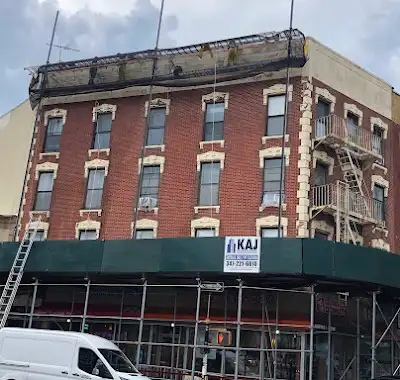
Window sills play an important role in protecting buildings from moisture while supporting the lower edges of window openings. They are designed to direct rainwater away from exterior walls, protect surrounding masonry and contribute to the overall appearance of a property. However, continuous exposure to changing weather conditions, moisture and natural wear can gradually affect their condition. Cracks, chipped edges, deteriorating surfaces and loose masonry are common problems that require proper attention.
In Queens, residential and commercial buildings experience seasonal temperature changes, rainfall, snow and freezing conditions that can contribute to exterior masonry deterioration. Older properties may be particularly vulnerable when their window sills have not received regular maintenance. Understanding the causes of this damage and choosing suitable repair solutions can help property owners protect their buildings and avoid more extensive restoration work.
What Causes Window Sills to Crack and Deteriorate?
Window sill damage does not always develop from a single issue. Several environmental and structural factors can contribute to cracks, surface deterioration and moisture-related problems. Identifying these causes is important before selecting an appropriate repair method.
1. Continuous Exposure to Moisture
Rainwater is one of the major factors contributing to window sill deterioration. When water collects on exterior surfaces or enters small openings, it can gradually penetrate porous materials such as concrete and natural stone. Repeated moisture exposure may weaken the surface, deteriorate mortar joints and affect the connections between the sill and surrounding masonry.
Damaged caulking, deteriorated flashing and improperly sealed window openings can make these problems worse. Water entering behind the sill may eventually affect interior walls, resulting in damp patches, peeling paint and other signs of moisture damage. Property owners experiencing recurring leaks should understand the common causes of water intrusion in NYC buildings before arranging repairs.
2. Freeze-Thaw Cycles During Winter
Seasonal temperature fluctuations can place considerable stress on exterior masonry. During colder months, water can enter small cracks and pores within concrete or stone. When temperatures fall below freezing, trapped moisture expands and puts pressure on the surrounding material. Repeated freezing and thawing can gradually enlarge existing cracks and cause sections of the sill to chip or break away.
This type of deterioration can affect both the window sill and nearby brickwork. Addressing minor cracks before winter conditions worsen them can help reduce the likelihood of more extensive masonry repairs.
3. Natural Ageing and Material Deterioration
Exterior window sills are constantly exposed to sunlight, rain, airborne pollutants and temperature changes. Over time, these conditions can affect the strength and appearance of concrete, limestone, cast stone and other construction materials.
Older sills may develop rough surfaces, hairline cracks, chipped corners and weakened edges. In some cases, previous repairs may also begin to fail because incompatible materials were used or the original source of deterioration was not addressed. Regular maintenance and timely restoration help preserve the condition of these exterior components.
4. Improper Installation and Poor Water Drainage
Proper installation is essential for the long-term performance of a window sill. An exterior sill should have an appropriate outward slope that allows rainwater to drain away from the window opening. If the surface is incorrectly installed or lacks suitable drainage details, water may collect near the frame and enter vulnerable joints.
Insufficient overhangs, missing drip edges and damaged flashing can also contribute to recurring moisture problems. Even a relatively new sill may experience premature deterioration when installation details do not provide adequate water protection.
5. Building Movement and Structural Stress
Changes in the building structure can also contribute to window sill damage. Settlement, movement in surrounding masonry and thermal expansion may place pressure on the areas around window openings. This can result in cracks, separated joints or displacement of masonry components.
When cracks appear alongside loose bricks, sagging sections or damaged lintels, the problem may extend beyond the sill itself. A detailed assessment is important to determine whether the damage requires localized restoration or more extensive structural masonry work.
What Are the Warning Signs of Damaged Window Sills?
Recognising early signs of deterioration allows property owners to arrange repairs before the damage spreads. Some problems are visible from the exterior, while others become noticeable through changes inside the building.
Common warning signs include:
- Visible cracks: Hairline or wider fractures across concrete, stone or masonry surfaces.
- Chipped edges: Broken corners and deteriorating sections along the sill.
- Water stains: Discolouration around windows that may indicate recurring moisture exposure.
- Crumbling mortar: Open or deteriorated joints connecting the sill with surrounding brickwork.
- White deposits: Powdery mineral deposits that may indicate moisture movement through masonry.
- Interior dampness: Peeling paint, bubbling plaster or recurring water stains near window openings.
Property owners should not ignore these signs, particularly when cracks continue to widen or moisture problems return after rainfall. A professional inspection can help identify the actual source of deterioration.
What Are the Best Repair Solutions for Cracked Window Sills?
The appropriate repair method depends on the material, condition and extent of the damage. Professional masonry contractors generally inspect the affected area before recommending restoration or replacement.
Crack Repair and Surface Restoration
Minor surface cracks and small damaged sections may be suitable for localized repairs. The affected area is cleaned and prepared before compatible masonry repair materials are applied. Proper surface preparation and material selection are important for achieving a durable repair.
Mortar Joint Repair and Repointing
When mortar around the window sill becomes loose or deteriorated, repointing may be necessary to restore the joints. Damaged mortar is removed and replaced with a compatible mixture to improve the connection between the sill and surrounding masonry.
For properties with additional brick deterioration, professional brick masonry repair in Queens can address damaged brickwork and related exterior defects.
Window Sill Replacement
Severely cracked, broken or extensively deteriorated sills may require complete replacement instead of repeated surface repairs. The damaged component is carefully removed, and a suitable replacement is installed with attention to proper alignment, drainage and surrounding masonry connections.
Depending on the building’s requirements, materials may include concrete, limestone, cast stone or other compatible options. Property owners can explore professional window sill repair and replacement services to understand the available solutions for different types of damage.
Repairing Related Lintel and Masonry Damage
Sometimes, window sill deterioration occurs alongside damaged lintels or surrounding brickwork. A lintel supports masonry above a window opening, while the sill forms the lower exterior section. Both components should be evaluated when visible cracks or movement appear around the window.
Professional window lintel and sill repair can help address related deterioration and determine whether individual repairs or replacement work is necessary.
How Can Property Owners Prevent Future Window Sill Damage?
Preventive maintenance can help extend the service life of exterior window sills. Property owners should periodically inspect visible masonry surfaces, check window sealants and ensure rainwater drains away from the building. Damaged mortar joints, loose masonry and small cracks should be evaluated before moisture penetration becomes more extensive.
Buildings with widespread exterior deterioration may also require a broader assessment. Professional facade restoration and FISP repair in Queens can help address related facade conditions and identify other areas that may need attention.
Conclusion
Cracked and deteriorating window sills can affect the appearance, weather resistance and condition of a building. From moisture exposure and freeze-thaw cycles to ageing materials and improper installation, several factors can contribute to exterior sill damage. Identifying the underlying cause is essential for selecting an appropriate repair or replacement solution.
Excel Masonry Contractor NY provides masonry repair, window sill restoration, lintel repair and exterior building maintenance services for residential and commercial properties. Whether your property has cracked concrete sills, deteriorating stone surfaces or moisture-related masonry problems, professional assessment can help determine the work required.
If you have noticed damaged window sills or recurring moisture around your windows, contact Excel Masonry Contractor NY to discuss your property’s repair requirements and request a professional estimate.