
 347-331-7600
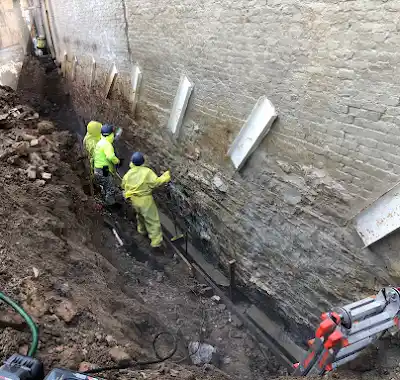
Water intrusion is a common concern for property owners throughout New York City. Heavy rainfall, freezing temperatures, aging masonry, deteriorated mortar joints and drainage problems can allow moisture to enter residential and commercial buildings. If left unaddressed, water penetration can damage walls, weaken building materials, encourage mold growth and lead to costly restoration work.
Understanding the causes of water intrusion is the first step towards protecting a property’s condition and structural integrity. Experienced waterproofing contractors NYC property owners rely on can inspect vulnerable areas, identify moisture entry points and recommend appropriate repair methods based on the building’s condition.
In this guide, we explain the common causes of water intrusion in NYC buildings, the warning signs property owners should recognise and the professional waterproofing solutions that can help prevent recurring moisture problems.
Why Is Water Intrusion Common in NYC Buildings?
New York City’s changing weather conditions place continuous pressure on building exteriors. Rain, snow, ice, humidity and temperature fluctuations can gradually affect roofing systems, foundations, exterior walls and masonry joints. Older buildings may be particularly vulnerable when protective materials have deteriorated or previous repairs have failed.
Water can enter through small openings that are difficult to identify without a thorough inspection. Damaged sealants, cracked concrete, loose masonry and blocked drainage systems can all contribute to moisture problems. Identifying the underlying cause is essential because treating visible damage alone may not prevent water from returning.
1. Cracks in Foundations and Exterior Walls
Foundation and exterior wall cracks can provide pathways for water to enter a building. Groundwater pressure, material deterioration, settlement and temperature changes may contribute to cracking. During heavy rainfall, water can accumulate around foundations and pass through existing openings.
Professional waterproofing and masonry repair services can help determine whether cracks require sealing, masonry repairs, drainage improvements or a more extensive waterproofing system. The correct approach depends on the crack’s location, severity and underlying cause.
2. Deteriorated Mortar Joints and Brickwork
Mortar joints help protect masonry walls from weather exposure and hold individual bricks together. Over time, moisture, frost and general wear can cause mortar to crack, crumble or recede. These defects may allow rainwater to penetrate the wall and affect interior surfaces.
When damaged mortar is responsible for water entry, appropriate brick pointing and repointing can restore deteriorated joints and improve the wall’s resistance to moisture. The masonry should be assessed first to determine whether repointing, brick replacement or additional waterproofing is necessary.
3. Roof Drainage and Window Leaks
Roof drainage problems can cause water to collect near roof edges, parapet walls and exterior surfaces. Damaged flashing, deteriorated sealants, blocked gutters and poorly directed downspouts may allow moisture to reach vulnerable parts of a building.
Windows and doors are also common entry points when perimeter sealants fail or flashing is damaged. Water stains around openings, peeling paint and recurring damp patches may indicate that rainwater is entering behind the exterior finish.
What Are the Warning Signs of Water Intrusion?
Recognising early warning signs can help property owners arrange an inspection before moisture damage becomes more extensive. Common indicators include:
- Damp patches on interior walls, ceilings or basement surfaces.
- Peeling paint, bubbling plaster or damaged wall finishes.
- White, powdery deposits known as efflorescence on masonry.
- Cracked mortar joints, deteriorating bricks or damaged exterior coatings.
- Persistent musty odours and recurring moisture after rainfall.
- Water pooling near foundations or entering through basement walls.
These symptoms can have several possible causes. A professional assessment helps establish whether the problem originates from exterior water penetration, plumbing leaks, condensation or inadequate drainage.
How Can Professional Waterproofing Contractors Fix Water Intrusion?
Effective waterproofing begins with identifying the source of moisture rather than simply covering visible stains or cracks. Professional contractors assess the affected areas and select repair methods according to the building materials, water entry points and extent of deterioration.
Step 1: Inspect the Building and Identify the Source
A detailed inspection helps locate cracks, damaged joints, failed sealants, drainage issues and other potential entry points. Contractors may examine both exterior and interior surfaces to determine how water is reaching the affected area.
Step 2: Repair Cracks and Damaged Masonry
Depending on the inspection findings, repairs may involve sealing suitable cracks, replacing damaged bricks, restoring mortar joints or repairing deteriorated exterior finishes. Correcting these defects helps reduce water penetration and prepares the affected surfaces for further waterproofing where necessary.
Step 3: Apply Suitable Waterproofing Solutions
The appropriate treatment depends on the source of the leak. Exterior waterproofing membranes, compatible sealants, masonry coatings, foundation crack repairs and drainage improvements may be suitable for different conditions.
For properties experiencing persistent moisture below ground level, basement waterproofing services may help address water seepage through foundation walls and basement floors. The recommended system should reflect the source of the water and the building’s specific requirements.
Step 4: Address Vulnerable Openings and Drainage
Contractors may also repair deteriorated flashing, renew failed sealants and correct drainage problems that allow water to collect against the building. Where leaks are concentrated around window openings, appropriate window leak repair services can help address defective seals, damaged frames or flashing-related problems.
Step 5: Check the Repairs and Monitor Moisture
After the work is completed, the repaired areas should be checked for visible defects and signs of continuing water entry. Property owners should also monitor previously affected walls, ceilings and basement surfaces, particularly following rainfall.
How Can Property Owners Prevent Future Water Intrusion?
Regular building maintenance can reduce the likelihood of recurring moisture problems. Property owners and building managers should:
- Inspect exterior walls and mortar joints for cracks or deterioration.
- Keep gutters and drainage outlets clear of debris.
- Check window seals, flashing and roof connections periodically.
- Address water stains, damp patches and recurring leaks promptly.
- Arrange professional inspections when moisture problems persist.
Preventive maintenance is particularly important for older NYC buildings, where several deteriorated components may contribute to the same leak.
Conclusion
Water intrusion can affect a building’s masonry, foundation, interior finishes and overall condition. From deteriorated mortar joints and foundation cracks to faulty window seals and drainage problems, identifying the actual source of moisture is essential for choosing an effective repair solution.
Professional waterproofing combines careful inspection, targeted repairs and appropriate moisture-control measures to help protect buildings from further water damage. By addressing warning signs early and maintaining vulnerable areas, NYC property owners can make informed decisions about building repairs and long-term maintenance.
If your property has recurring leaks, damp walls or visible masonry deterioration, contact a qualified waterproofing professional to assess the problem and recommend suitable next steps.