
 347-331-7600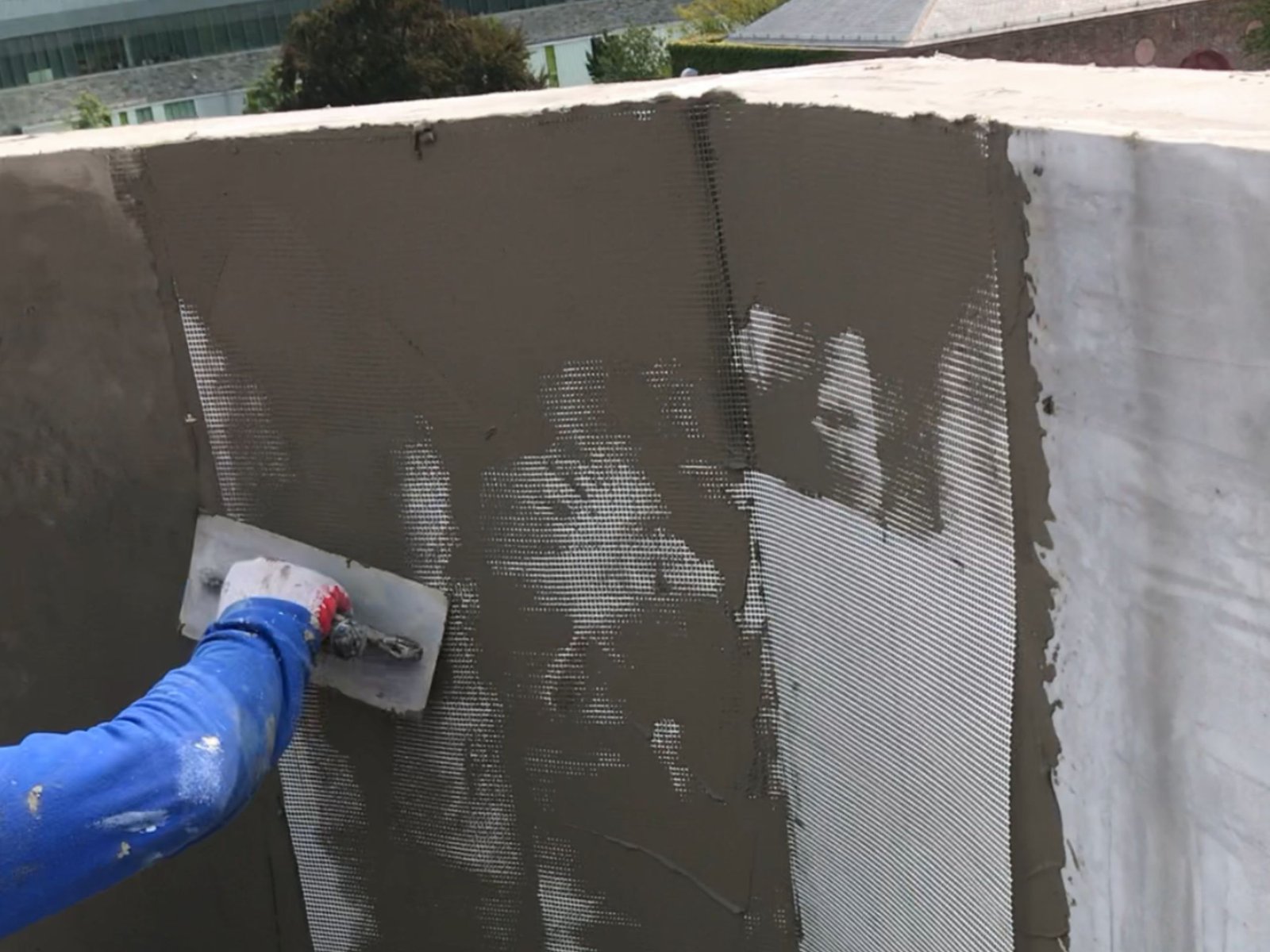
Stucco has long been a popular exterior finish for residential, commercial, and multifamily properties throughout New York City. Its durability, versatility, and attractive appearance make it an excellent choice for building facades. However, despite its strength, stucco is constantly exposed to some of the harshest weather conditions in the country. From freezing winters and heavy snow to humid summers and torrential rainstorms, NYC’s climate can take a significant toll on stucco surfaces over time.
Without proper maintenance and timely repairs, minor stucco issues can quickly develop into major structural problems. Cracks, moisture intrusion, delamination, and surface deterioration are among the most common concerns property owners face. Understanding these issues and addressing them early can help avoid costly restoration projects and preserve the integrity of your building.
In this guide, we’ll explore the most common stucco repair problems caused by New York City’s weather, explain when to seek Emergency Stucco Repair Services, and discuss the Process of Professional stucco repair contractor NYC to help property owners make informed decisions.
Why NYC’s Climate Is Tough on Stucco
New York City experiences a wide range of weather conditions throughout the year. Each season presents unique challenges that can impact the lifespan and performance of stucco.
Freeze-Thaw Cycles
One of the most damaging weather patterns for stucco is the freeze-thaw cycle. During winter, moisture enters tiny cracks and pores in the stucco surface. When temperatures drop below freezing, the trapped water expands, causing the cracks to widen. As temperatures rise, the ice melts and allows even more water to penetrate the surface.
Repeated freeze-thaw cycles gradually weaken the stucco, leading to extensive cracking, separation, and water damage.
Heavy Rainfall and Moisture Exposure
NYC receives substantial rainfall throughout the year. If stucco is not properly sealed or maintained, moisture can infiltrate the wall system. Over time, water intrusion can cause mold growth, structural deterioration, and interior damage.
Thermal Expansion and Contraction
During summer months, stucco surfaces can become extremely hot. As temperatures fluctuate between day and night, building materials expand and contract. This continuous movement can create stress cracks and weaken the stucco’s bond with the substrate.
Snow and Ice Accumulation
Snow accumulation on roofs and ledges often leads to excess moisture exposure. Melting snow can seep into cracks and vulnerable areas, accelerating deterioration and increasing the risk of water damage.
The 10 Most Common Stucco Repair Problems in NYC
Understanding the warning signs of stucco damage can help property owners take action before problems become severe.
1. Stucco Cracks
Cracks are by far the most common stucco issue found throughout NYC properties.
Common types include:
- Hairline cracks
- Vertical cracks
- Horizontal cracks
- Stair-step cracks
- Structural cracks
Small cracks may appear harmless, but they often allow water to enter the wall system. Left untreated, cracks can expand and cause extensive damage.
Signs of Concern
- Visible widening of cracks
- Water stains around cracks
- Interior moisture issues
- Recurring crack formation
2. Moisture Intrusion Behind Stucco
Water penetration is one of the leading causes of stucco failure.
When moisture becomes trapped behind the stucco system, it can damage underlying materials, including wood framing, insulation, and sheathing.
Consequences of Moisture Intrusion
- Mold growth
- Rotting structural components
- Interior wall damage
- Reduced energy efficiency
- Costly restoration work
Because moisture problems often remain hidden, regular inspections are critical.
3. Stucco Delamination
Delamination occurs when the stucco separates from the underlying substrate.
This issue is often caused by:
- Moisture infiltration
- Improper installation
- Freeze-thaw damage
- Structural movement
Property owners may notice hollow-sounding areas when tapping the wall or sections that appear to bulge outward.
Delamination should never be ignored because loose stucco can eventually detach from the building.
4. Efflorescence
Efflorescence appears as a white, chalky residue on stucco surfaces.
It occurs when moisture dissolves salts within the wall system and carries them to the surface as water evaporates.
While efflorescence itself is not structurally dangerous, it often indicates ongoing moisture problems that require investigation.
Common Causes
- Water infiltration
- Poor drainage
- Inadequate waterproofing
- High humidity exposure
5. Surface Staining and Discoloration
Unsightly stains can significantly impact curb appeal and indicate underlying issues.
Common causes include:
- Rainwater runoff
- Air pollution
- Algae growth
- Mold and mildew
- Rust contamination
Discoloration often serves as an early warning sign of moisture-related problems.
6. Spalling Stucco
Spalling occurs when pieces of stucco begin to chip, flake, or break away from the surface.
This condition is particularly common in older NYC buildings exposed to decades of harsh weather.
Causes of Spalling
- Water infiltration
- Freeze-thaw cycles
- Poor installation practices
- Aging materials
Spalling not only affects appearance but also exposes the wall system to further deterioration.
7. Mold and Mildew Growth
NYC’s humid summers create ideal conditions for mold and mildew growth.
When moisture becomes trapped behind stucco, organic materials within the wall assembly can become breeding grounds for fungi.
Risks Associated with Mold
- Health concerns
- Unpleasant odors
- Structural deterioration
- Reduced indoor air quality
Professional inspection and moisture remediation are often necessary to fully resolve mold-related issues.
8. Loose or Detached Stucco
Detached stucco poses serious safety risks, especially in densely populated urban environments.
As the bond between stucco and substrate weakens, sections may become loose and eventually fall.
Common Warning Signs
- Bulging walls
- Hollow sounds
- Visible separation
- Falling debris
Prompt repairs help prevent accidents and liability concerns.
9. Poor Drainage Damage
Improper drainage systems can accelerate stucco deterioration.
Water that continuously flows against exterior walls can saturate the stucco and increase the likelihood of cracking and moisture intrusion.
Common Sources of Drainage Problems
- Clogged gutters
- Missing flashing
- Poor roof drainage
- Improper grading
Addressing drainage issues is essential for long-term stucco performance.
10. Aging and Weathered Stucco Finishes
Even professionally installed stucco eventually shows signs of age.
Years of exposure to:
- UV radiation
- Rain
- Snow
- Wind
- Pollution
can gradually break down protective coatings and weaken the surface.
Regular maintenance and timely repairs can significantly extend the lifespan of aging stucco systems.
Warning Signs Your Stucco Needs Immediate Repair
Property owners should never ignore the following symptoms:
✔ Visible cracking
✔ Bulging exterior walls
✔ Water stains inside the building
✔ Peeling paint
✔ Mold growth
✔ White powdery deposits
✔ Loose stucco sections
✔ Damp interior walls
✔ Persistent leaks
✔ Increasing utility bills
The sooner these issues are addressed, the less expensive repairs typically become.
Why Delaying Stucco Repairs Can Cost Thousands
Many property owners postpone repairs because damage initially appears minor. Unfortunately, stucco problems rarely improve on their own.
Small cracks can allow moisture to penetrate deep into the wall system, leading to:
- Structural deterioration
- Mold remediation expenses
- Interior restoration costs
- Reduced property value
- Extensive facade repairs
In NYC, neglected facade issues may also result in compliance concerns and costly emergency repairs.
Emergency Stucco Repair Services: When Immediate Action Is Necessary
Certain situations require immediate professional attention.
Call for emergency stucco repair services If You Notice:
- Large structural cracks
- Active water leaks
- Bulging stucco sections
- Falling stucco debris
- Severe storm damage
- Significant moisture intrusion
Fast action can prevent further deterioration and reduce overall repair costs.
Benefits of Emergency Stucco Repair Services
- Immediate stabilization
- Enhanced safety
- Reduced water damage
- Prevention of structural issues
- Lower long-term repair expenses
Professional emergency response teams can quickly assess damage and implement temporary or permanent repair solutions.
Process of Professional Stucco Repair
Understanding the process of professional stucco repair helps property owners appreciate the value of hiring experienced contractors.
Step 1: Comprehensive Inspection
The repair process begins with a detailed inspection.
Professionals evaluate:
- Cracks
- Moisture levels
- Delamination
- Structural concerns
- Drainage issues
Step 2: Damage Assessment
After inspection, contractors determine the root cause of the problem.
Simply patching visible damage without identifying the underlying issue often leads to recurring failures.
Step 3: Removal of Damaged Stucco
Compromised sections are carefully removed to expose the substrate beneath.
This step ensures hidden moisture damage and deteriorated materials can be properly addressed.
Step 4: Substrate Repairs
Any damaged framing, sheathing, or support materials are repaired or replaced.
Without this step, new stucco may fail prematurely.
Step 5: Moisture Protection Installation
Water-resistant barriers and flashing systems are inspected and upgraded if necessary.
This helps prevent future moisture intrusion.
Step 6: Stucco Application
New stucco is applied using industry-approved methods and materials.
Multiple coats are often required to ensure durability and proper bonding.
Step 7: Texture Matching
Professional contractors carefully match the existing texture and appearance of surrounding surfaces.
This creates a seamless finish that maintains curb appeal.
Step 8: Waterproofing and Sealing
Protective coatings help defend against rain, humidity, and freeze-thaw damage.
Proper waterproofing significantly extends the lifespan of repairs.
Step 9: Final Inspection
A thorough quality-control inspection ensures all repairs meet industry standards.
Step 10: Maintenance Recommendations
Contractors provide maintenance guidelines to help property owners maximize the longevity of their stucco system.
Why Hire a Professional Stucco Repair Contractor NYC
While DIY repairs may seem appealing, professional expertise offers significant advantages.
A qualified Stucco Repair Contractor NYC understands:
- Local climate challenges
- Building codes
- Moisture management techniques
- Proper repair materials
- Safety requirements
Professional repairs deliver longer-lasting results and help avoid recurring issues.
Benefits of Hiring Experts
- Accurate diagnostics
- High-quality workmanship
- Proper waterproofing
- Code compliance
- Warranty protection
- Increased property value
How to Prevent Future Stucco Damage
Preventive maintenance is the most cost-effective strategy for protecting stucco.
Recommended Maintenance Tips
- Schedule annual inspections
- Repair cracks promptly
- Keep gutters clean
- Maintain proper drainage
- Apply protective coatings
- Monitor moisture levels
- Address leaks immediately
Regular maintenance can extend stucco life by many years while reducing repair expenses.
Conclusion
New York City’s demanding climate creates numerous challenges for stucco exteriors. Freeze-thaw cycles, moisture intrusion, cracking, delamination, mold growth, and aging finishes are among the most common issues property owners encounter.
The key to avoiding costly restoration projects is early detection and timely repairs. Whether you’re dealing with minor cracking or require Emergency Stucco Repair Services, working with an experienced Stucco Repair Contractor NYC ensures the problem is addressed correctly.
By understanding the Process of Professional Stucco Repair and investing in routine maintenance, property owners can protect their buildings, preserve curb appeal, and extend the lifespan of their stucco systems for years to come.